
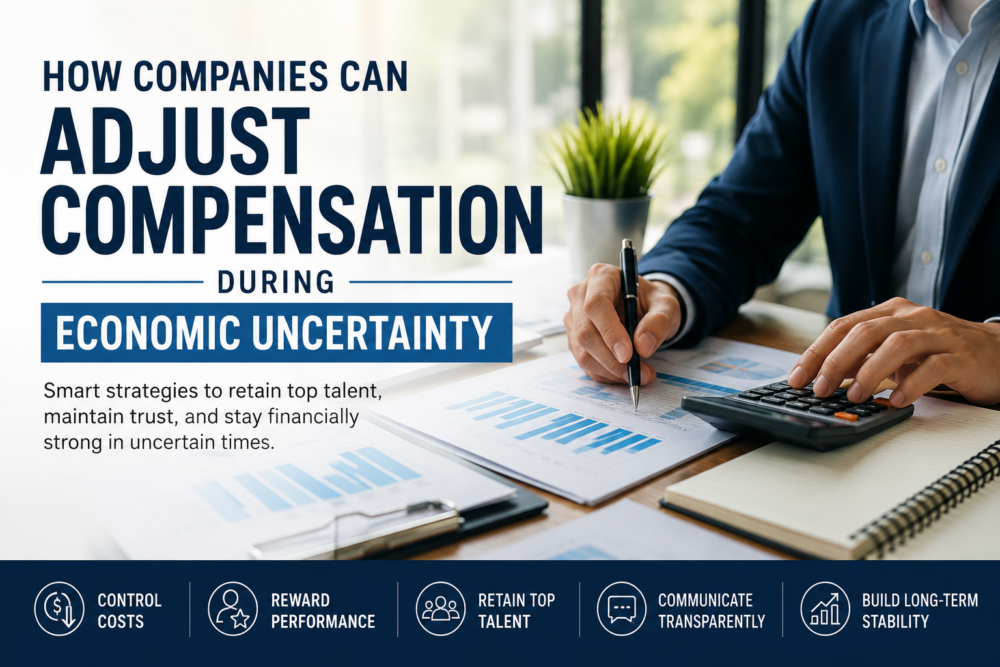
When the economy becomes unpredictable, companies often look for ways to reduce spending. One of the first areas leaders review is employee compensation. But making the wrong changes too quickly can hurt morale, reduce productivity, and push top employees to look elsewhere.
A recent article from Forbes Human Resources Council featured advice from HR and business leaders across the country, including William Stonehouse III, President of Crawford Thomas Recruiting.
Stonehouse shared that companies should focus less on across-the-board cuts and more on performance-based compensation strategies.
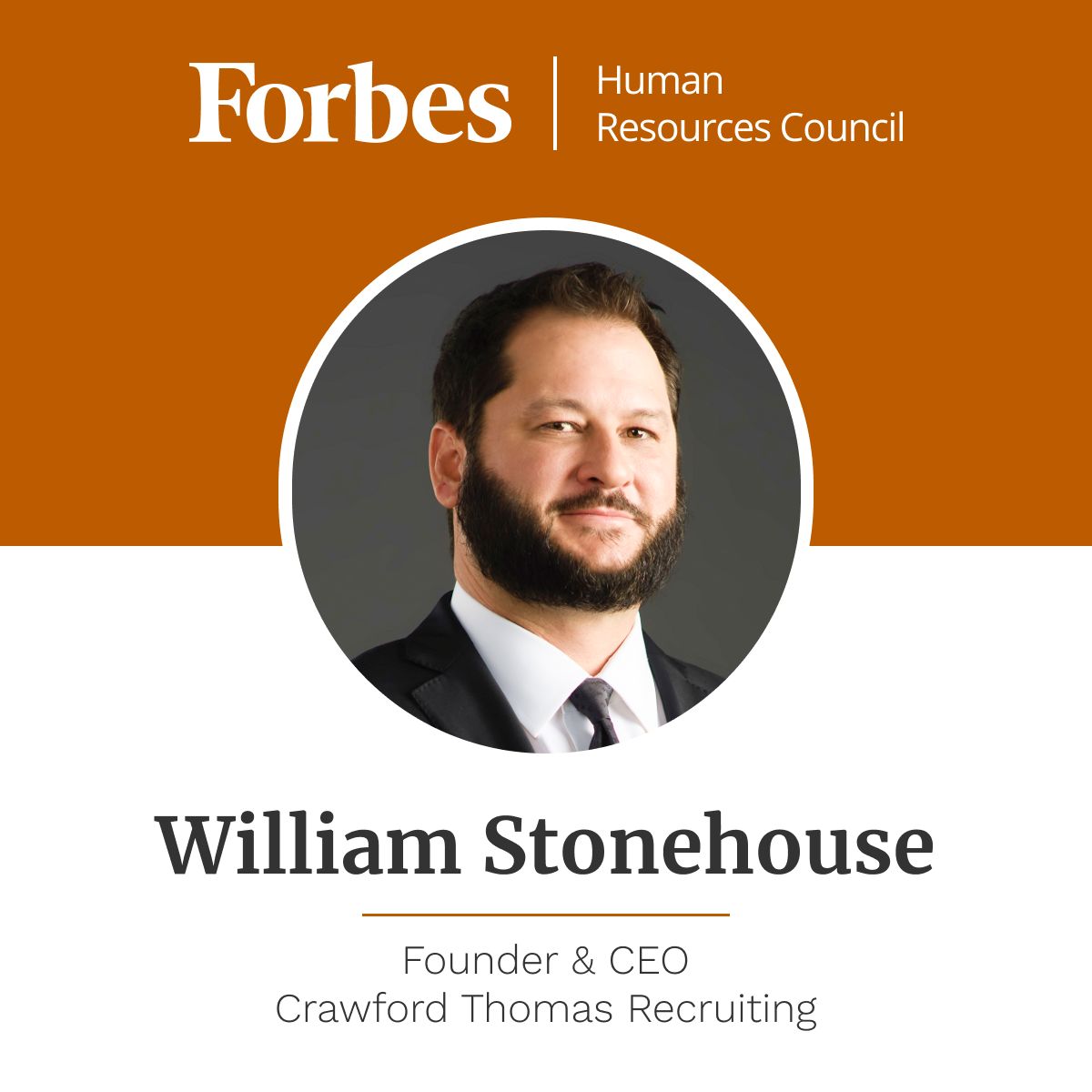
“Protect core salaries to retain talent, but increase variable compensation tied to measurable results,” said Stonehouse.
That approach helps companies stay financially flexible while still rewarding employees who drive growth and performance.
Why Performance-Based Pay Matters
During uncertain times, businesses need compensation plans that can adapt. Instead of relying only on fixed salaries, many organizations are shifting toward bonuses, commissions, and incentive-based rewards tied to performance.

This strategy can help companies:
- Retain top performers
- Improve employee motivation
- Align pay with business goals
- Control costs more effectively
- Reward measurable results
For many employees, knowing their hard work directly impacts compensation can increase engagement and accountability.
Transparency Is Key
One of the biggest takeaways from the Forbes article was the importance of communication. Employees understand that economic challenges happen. What frustrates teams most is unclear leadership and sudden decisions.
Companies that communicate openly about compensation changes are more likely to maintain trust during difficult periods.

Strong leaders explain:
- Why changes are happening
- How decisions are being made
- What employees can expect moving forward
- Which goals and performance metrics matter most
Clear communication helps reduce uncertainty and keeps employees focused on long-term success.
Compensation Is More Than Salary
The article also highlighted that compensation is not just about paychecks. Employees continue to value flexibility, growth opportunities, recognition, and work-life balance.
Even when salary budgets tighten, companies can still improve retention by investing in:
- Career development
- Flexible scheduling
- Recognition programs
- Wellness benefits
- Positive workplace culture
Organizations that continue supporting employees during difficult periods often come out stronger when the economy improves.

Smart Compensation Strategies Build Long-Term Stability
Economic uncertainty forces companies to make difficult decisions. However, businesses that focus on fairness, transparency, and performance-based rewards are often better positioned to retain talent and maintain employee trust.
Insights from leaders like William Stonehouse III reinforce the importance of balancing financial discipline with employee engagement during challenging times.
This article was inspired by the original Forbes Human Resources Council article, “14 Ways To Adjust Compensation During Economic Uncertainty.”